Cancer is one of the most serious health conditions affecting millions of people worldwide. In fact, it has become a major global health concern in recent decades. It develops when abnormal cells in the body begin to grow uncontrollably and, over time, spread to other parts of the body. As a result, normal body functions can be disturbed. However, despite its seriousness, early detection and timely medical intervention can significantly improve outcomes. In many cases, when diagnosed at an early stage, different types of cancer can be treated successfully.
In this article, therefore, we will take a detailed look at what cancer is. Additionally, we will explore its causes, common symptoms, various types, methods of diagnosis, available treatment options, and most importantly, ways to prevent it.
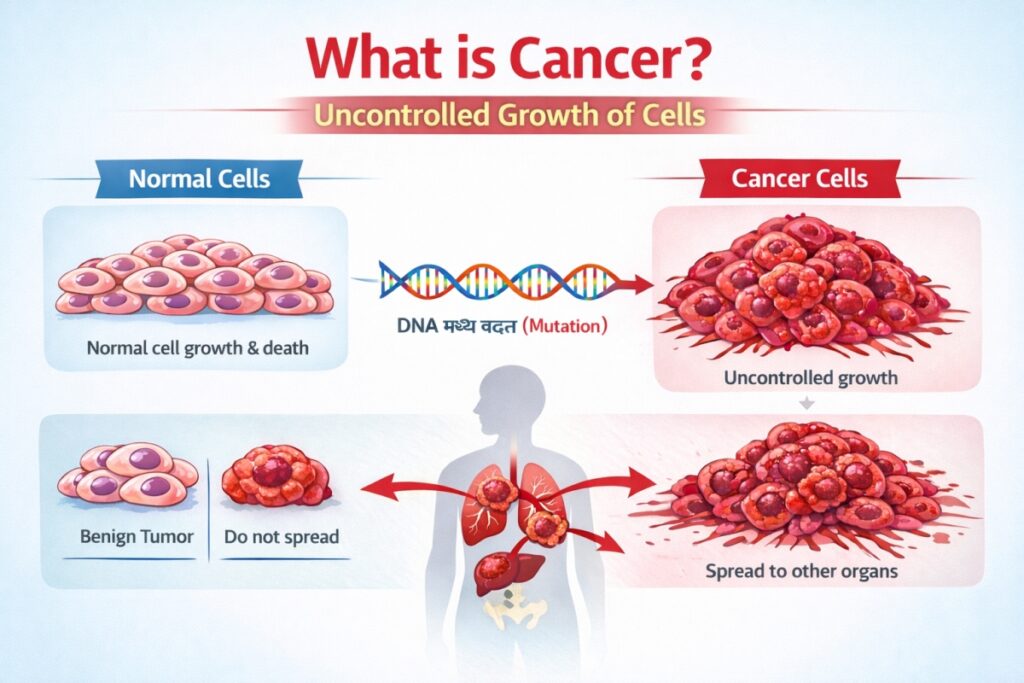
What is Cancer?
Cancer is a disease in which body cells begin to grow abnormally and divide without control. Normally, our body cells grow, divide, and die in a controlled way. But when this process goes wrong, damaged cells keep multiplying and form a mass called a tumor.
There are two main types of tumors:
Benign Tumor – Non-cancerous and does not spread.
Malignant Tumor – Cancerous and can spread to other parts of the body (metastasis).
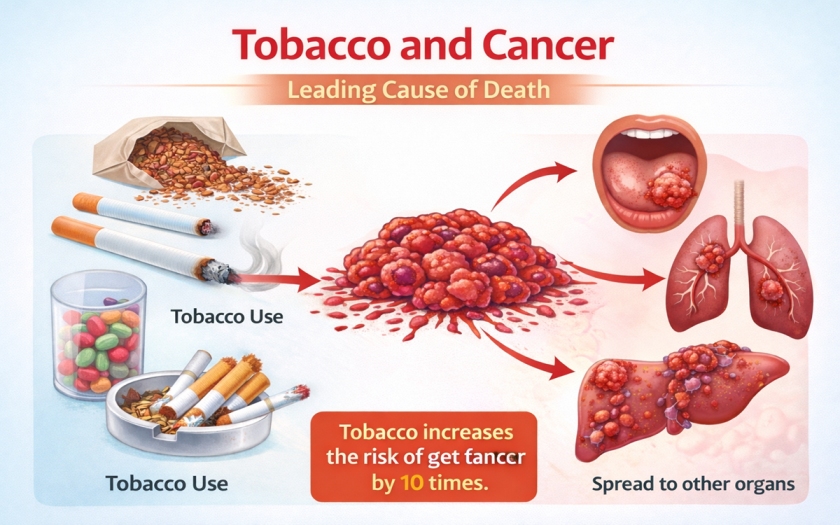
Causes of Cancer
Cancer can develop due to several reasons. Some common causes include:
Tobacco use (smoking and chewing)
Excessive alcohol consumption
Unhealthy diet
Obesity
Lack of physical activity
Exposure to radiation
Pollution
Genetic factors (family history)
Certain viral infections
Lifestyle plays a major role in cancer risk.
Cancer arises when healthy cells undergo changes in their DNA; consequently, these alterations disrupt normal growth controls and trigger abnormal, unchecked proliferation. Over time, these rapidly multiplying cells may invade nearby tissues and, in more advanced situations, spread throughout the body. Although the exact trigger behind most cases is still not fully understood, it is widely recognized that several modifiable behaviors and environmental exposures significantly increase overall risk.
To begin with, tobacco consumption—whether through cigarettes, cigars, pipes, or smokeless products—remains the leading preventable cause of cancer worldwide. In fact, it is linked to a substantial percentage of global cancer diagnoses. This is because tobacco smoke and chewing products contain toxic chemicals that directly damage DNA, thereby promoting cancers of the lungs, oral cavity, esophagus, pancreas, and several other organs.
Similarly, heavy alcohol intake further elevates cancer risk. When alcohol is metabolized in the body, it produces harmful byproducts that irritate tissues and interfere with normal cellular repair mechanisms. As a result, the likelihood of cancers affecting the mouth, throat, liver, breast, and colon increases significantly.
In addition, poor dietary habits play an important role. Diets high in processed or red meats but low in fruits, vegetables, and whole grains tend to promote chronic inflammation and oxidative stress. Over time, this internal imbalance can contribute to gastrointestinal cancers and other tumor types.
Moreover, excess body weight and a sedentary lifestyle compound these risks. Obesity can alter hormone levels, stimulate persistent low-grade inflammation, and disrupt metabolic balance. Consequently, the risk rises for multiple cancers, including postmenopausal breast, endometrial, colorectal, and kidney cancers.
Beyond lifestyle factors, prolonged exposure to radiation also poses a serious threat. For example, excessive ultraviolet (UV) radiation from sunlight can directly damage genetic material in skin cells, frequently leading to skin cancers. Likewise, repeated exposure to medical or occupational ionizing radiation may increase long-term cancer risk.
Furthermore, environmental pollutants such as airborne particulate matter, asbestos, and heavy metals act as chemical carcinogens. With continuous exposure over time, these substances can gradually damage cells and initiate malignant changes.
Although lifestyle and environmental factors account for the majority of cases, inherited genetic predispositions also contribute, albeit to a smaller extent. In approximately 5–10% of cases, individuals inherit faulty genes from family members, which significantly heighten their susceptibility to certain cancers.
Finally, specific infections caused by viruses or bacteria introduce additional oncogenic mechanisms. For instance, Human Papillomavirus (HPV) is strongly associated with cervical cancer, while hepatitis B and C viruses increase the risk of liver cancer. Similarly, Helicobacter pylori infection has been linked to stomach cancer. Therefore, prevention strategies such as vaccination and timely treatment of infections can play a crucial protective role.
Common Symptoms of Cancer
Symptoms may vary depending on the type of cancer. Some common warning signs include:
Unexplained weight loss
Persistent fatigue
Lump or swelling in any part of the body
Continuous cough or hoarseness
Change in bowel or bladder habits
Unusual bleeding
Non-healing wounds
Difficulty swallowing
If any of these symptoms persist for a long time, consult a doctor immediately.
Cancer presents itself in many different ways and, accordingly, its symptoms vary depending on the type, location, and stage of the disease. Therefore, no single sign confirms its presence. However, despite these differences, certain warning signs appear more frequently and should never be ignored.
To begin with, unexplained weight loss is often one of the earliest concerns. If a person loses 10 pounds or more without making changes to diet or physical activity, it may indicate an underlying health issue. In many cases, cancer cells consume large amounts of the body’s energy. As a consequence, the body begins to lose weight unexpectedly and without effort.
In addition to weight loss, persistent fatigue is another common symptom. Unlike normal tiredness that improves with rest, cancer-related fatigue tends to linger and gradually worsen. Even after adequate sleep, a person may continue to feel extremely exhausted. This can occur due to anemia, nutrient deficiencies, or the body’s immune response to the disease.
Moreover, the appearance of a lump or swelling in areas such as the breast, neck, armpit, or elsewhere should always be evaluated. At first, these growths may be painless and firm. Nevertheless, over time, they may enlarge or change in texture. Such lumps can sometimes represent abnormal cell accumulation and therefore require medical attention.
Similarly, a continuous cough or persistent hoarseness lasting several weeks should not be overlooked. Especially when accompanied by blood-stained mucus, chest pain, or breathing difficulty, it may suggest involvement of the lungs or throat. Consequently, timely evaluation becomes crucial.
Furthermore, noticeable changes in bowel or bladder habits may serve as warning signals. For example, ongoing diarrhea, chronic constipation, unusually narrow stools, or frequent urges to urinate can indicate underlying issues. If blood appears in the urine or stool, the need for prompt medical consultation becomes even more urgent.
In the same way, unusual bleeding or discharge often acts as a significant red flag. Postmenopausal vaginal bleeding, rectal bleeding, or blood in cough or semen rarely occur without reason. Therefore, such symptoms should always be investigated thoroughly.
Additionally, sores or wounds that fail to heal within the expected time frame deserve careful attention. A mouth ulcer or skin lesion that persists for weeks, despite treatment, may signal deeper concerns. Over time, non-healing wounds can reflect abnormal cellular changes.
Finally, difficulty swallowing, medically known as dysphagia, may develop gradually. A person may feel as though food is getting stuck in the throat or chest. As this symptom progresses, eating solid foods becomes challenging. In some cases, this may be associated with cancers of the esophagus or throat.
Importantly, it must be emphasized that many of these symptoms can also occur in non-cancerous (benign) conditions. Nevertheless, if any of these warning signs persist beyond a few weeks or continue to worsen, consulting a qualified healthcare professional is essential. Early evaluation not only provides clarity but also significantly improves treatment outcomes.
Ultimately, staying alert to changes in your body is one of the most powerful protective steps you can take. Prompt action, regular checkups, and early detection can save lives.
Types of Cancer
There are more than 100 types of cancer. Some common ones are:
Breast Cancer
Lung Cancer
Oral Cancer
Stomach Cancer
Blood Cancer (Leukemia)
Skin Cancer
Prostate Cancer
Each type requires different diagnosis and treatment.
Cancer comes in over 100 distinct forms. Each one originates in different tissues or organs. Consequently, symptoms, progression, and management strategies vary widely.
Globally, some types stand out due to high incidence rates. Breast cancer tops the list for women worldwide. It develops in breast tissue, often forming lumps or causing skin changes. Early detection through screening boosts survival chances significantly.
Lung cancer ranks as the most diagnosed overall in many regions. Primarily linked to smoking, it affects the lungs’ lining or airways. Persistent cough, chest pain, and breathing issues commonly appear.
Oral cancer (or mouth cancer) remains prevalent, especially in areas with tobacco chewing or betel nut use. It arises in the lips, tongue, cheeks, or gums. White/red patches, sores, or pain signal potential trouble.
Stomach cancer (gastric cancer) develops in the stomach lining. Risk factors include H. pylori infection, salty diets, and smoking. Symptoms like indigestion, bloating, or unexplained weight loss often emerge gradually.
Blood cancers, such as leukemia, affect bone marrow and blood cells. They disrupt normal blood production. Fatigue, frequent infections, bruising, and bleeding result from abnormal cell overgrowth.
Skin cancer, including melanoma and non-melanoma types, stems from UV exposure. Unusual moles, changing spots, or non-healing sores appear on sun-exposed areas. Protection and regular checks prove vital.
Prostate cancer primarily impacts men. It grows in the prostate gland near the bladder. Many cases progress slowly, with symptoms like urinary changes appearing later.
How is Cancer Diagnosed?
Doctors use several methods to diagnose cancer:
Physical examination
Blood tests
Imaging tests (X-ray, CT scan, MRI)
Biopsy (removal of tissue sample for testing)
Early diagnosis increases the chances of successful treatment.
Doctors rely on a combination of techniques to detect cancer accurately. These methods help identify abnormalities, confirm the presence of cancer, and determine its type and stage.
First, a physical examination serves as the starting point. The doctor carefully checks the body for unusual signs. This includes feeling for lumps, swollen lymph nodes, or changes in skin texture. Sometimes, simple observations—like listening to the lungs or examining the abdomen—reveal important clues.
Next, blood tests provide valuable insights. Certain markers, known as tumor markers, may rise in the presence of cancer. Complete blood counts can show anemia, low platelets, or abnormal white cells. While these tests alone rarely confirm cancer, they often guide further investigation.
Then come imaging tests, which create detailed pictures inside the body. An X-ray offers a quick view of bones or chest abnormalities. A CT scan delivers cross-sectional images, helping spot tumors in organs like the lungs, liver, or pancreas. An MRI uses magnetic fields for superior soft-tissue detail, making it ideal for brain, breast, or spinal issues. Ultrasound or PET scans may also be used to assess blood flow or metabolic activity.
Finally, a biopsy remains the gold standard for diagnosis. Doctors remove a small tissue sample from the suspicious area. A pathologist then examines it under a microscope to confirm whether cancer cells are present—and if so, what type and grade they represent. Techniques include needle biopsy, endoscopic biopsy, or surgical removal.
Importantly, these methods often work together. A suspicious finding on imaging, for example, usually leads to a biopsy for confirmation. Early diagnosis plays a crucial role. When cancer is caught at an initial stage, treatment options expand and success rates rise dramatically. Prompt testing saves lives—never ignore persistent symptoms. Consult a healthcare professional without delay if something feels wrong.
Cancer Treatment Options
Treatment depends on the type and stage of cancer. Common treatments include:
Surgery
Chemotherapy
Radiation therapy
Immunotherapy
Targeted therapy
Sometimes, a combination of treatments is used.
Moreover, immunotherapy uses the body’s own immune system to fight cancer. In simple words, it helps the immune system recognize and attack cancer cells. For example, drugs called checkpoint inhibitors activate T-cells so they can destroy tumors more effectively. This treatment has shown strong results in melanoma, lung cancer, and some blood cancers. In many cases, the response lasts for a long time, even in advanced stages. As a result, immunotherapy has changed the way cancer is treated today.
Cancer treatment varies greatly. It hinges on the cancer’s type, location, stage, and the patient’s overall health. Doctors craft personalized plans. Often, they combine multiple approaches for the best results.
Surgery frequently serves as a primary option. Surgeons remove the tumor along with some surrounding healthy tissue. This method works well for solid tumors confined to one area. For instance, it can cure early-stage cancers or relieve symptoms in advanced cases. Recovery depends on the procedure’s extent, but advances minimize invasiveness.
Next, chemotherapy uses powerful drugs to destroy rapidly dividing cells. These medications travel through the bloodstream. Thus, they target cancer anywhere in the body. Chemo often shrinks tumors before surgery or eliminates remaining cells afterward. Side effects like nausea or hair loss occur, yet supportive care has improved dramatically.
Then, radiation therapy delivers high-energy beams to damage cancer cell DNA. External machines focus rays precisely on the tumor. Alternatively, internal sources (brachytherapy) place radiation close to the site. This local treatment spares healthy tissue more effectively today. It commonly pairs with surgery or chemo for enhanced control.
In addition, targeted therapy focuses on specific genes or proteins that help cancer grow. Instead of attacking all fast-growing cells like chemotherapy, these medicines block only the cancer-related pathways. For instance, HER2-targeted drugs are used in certain breast cancers, while EGFR inhibitors help in some lung cancers. Because these treatments are more precise, side effects are often milder. Furthermore, when doctors test for biomarkers before treatment, the results are usually better.
In practice, doctors often combine treatments for better outcomes. For example, a patient may undergo surgery first and then receive chemotherapy or radiation. In advanced cases, immunotherapy may be combined with targeted therapy. Therefore, a team of specialists works together to plan the best approach. Most importantly, early detection along with personalized treatment greatly improves survival chances. At the same time, ongoing research continues to develop safer and more effective options. For proper guidance, always consult a qualified cancer specialist.
Can Cancer Be Prevented?
While not all cancers can be prevented, the risk can be reduced by:
Avoiding tobacco
Limiting alcohol
Eating a balanced diet
Exercising regularly
Maintaining healthy weight
Getting vaccinated (like HPV vaccine)
Regular health checkups
Prevention and early detection are key to reducing cancer-related deaths.
Cancer cannot always be prevented completely. However, many cases can be reduced through healthy choices. In fact, health experts estimate that about 30–50% of cancers worldwide are linked to preventable factors. Similarly, recent data from countries like the US shows that nearly 40% of cases are connected to lifestyle risks that can be changed.
First and most importantly, avoid tobacco in all forms. Do not start smoking, and if you already smoke, try to quit as soon as possible. Also, stay away from chewing tobacco. This single step greatly lowers the risk of lung, mouth, throat, and several other cancers. In fact, the benefits of quitting begin within a short time.
Next, limit alcohol consumption. Even moderate drinking can increase the risk of breast, liver, colorectal, and esophageal cancers. Therefore, reducing alcohol—or avoiding it completely—helps protect your cells from harmful damage.
Moreover, focus on eating a balanced and nutritious diet. Include plenty of fruits, vegetables, whole grains, and lean proteins. At the same time, reduce processed foods, red meat, sugary snacks, and excess fats. A healthy diet lowers inflammation and provides important nutrients that support normal cell function.
In addition, stay physically active. Aim for at least 150 minutes of moderate exercise each week. For example, brisk walking, cycling, or swimming are good options. Regular activity helps control body weight, balance hormones, and strengthen the immune system. As a result, it lowers the risk of breast, colon, endometrial, and other cancers.
Overall, small daily changes can make a big difference. Healthy habits today can reduce cancer risk in the future.
In addition, try to maintain a healthy body weight. Excess body fat can lead to long-term inflammation and hormone changes. Over time, these changes increase the risk of at least 13 types of cancer. Therefore, combining a balanced diet with regular physical activity makes weight control easier and more lasting.
Furthermore, consider getting vaccinated against certain viruses. For example, the HPV vaccine helps prevent most cases of cervical cancer and some cancers of the mouth and throat. Likewise, the Hepatitis B vaccine protects against liver cancer. These simple vaccines provide strong and long-term protection.
Finally, schedule regular health checkups and screening tests. Mammograms, colonoscopies, Pap smears, and low-dose CT scans for high-risk individuals can detect problems early. In many cases, these tests find cancer before symptoms even begin. As a result, early detection increases the chances of successful treatment.
Overall, prevention combined with timely screening can save many lives. Even small daily habits can make a big difference over time. So, take control of your health today. Speak with your doctor for personal advice and stay proactive for a healthier future.
Conclusion
Cancer is a serious but manageable disease if detected early. Awareness, healthy lifestyle, and regular medical checkups can significantly reduce the risk. If you notice any unusual symptoms, do not ignore them.
Taking care of your health today can protect your tomorrow.
Its like you read my mind You appear to know a lot about this like you wrote the book in it or something I think that you could do with some pics to drive the message home a little bit but instead of that this is fantastic blog An excellent read I will certainly be back
Your blog is a testament to your dedication to your craft. Your commitment to excellence is evident in every aspect of your writing. Thank you for being such a positive influence in the online community.
Somebody essentially lend a hand to make significantly articles Id state That is the very first time I frequented your website page and up to now I surprised with the research you made to make this actual submit amazing Wonderful task
Pingback: Breast Cancer: Causes, Symptoms, Stages, Treatment, and Prevention Guide - Trendings Tech
Pingback: Elementor #1051 - Trendings Tech